
Stromae: A Journey of Musical Innovation and Personal Resilience
Stromae captured global attention with “Alors on danse”. Better known for his albums “Cheese” and “Racine carrée” tackling deep themes, earning critical acclaim. After a hiatus, he returned with “Multitude,” exploring personal growth and resilience, cementing his legacy as a groundbreaking artist.
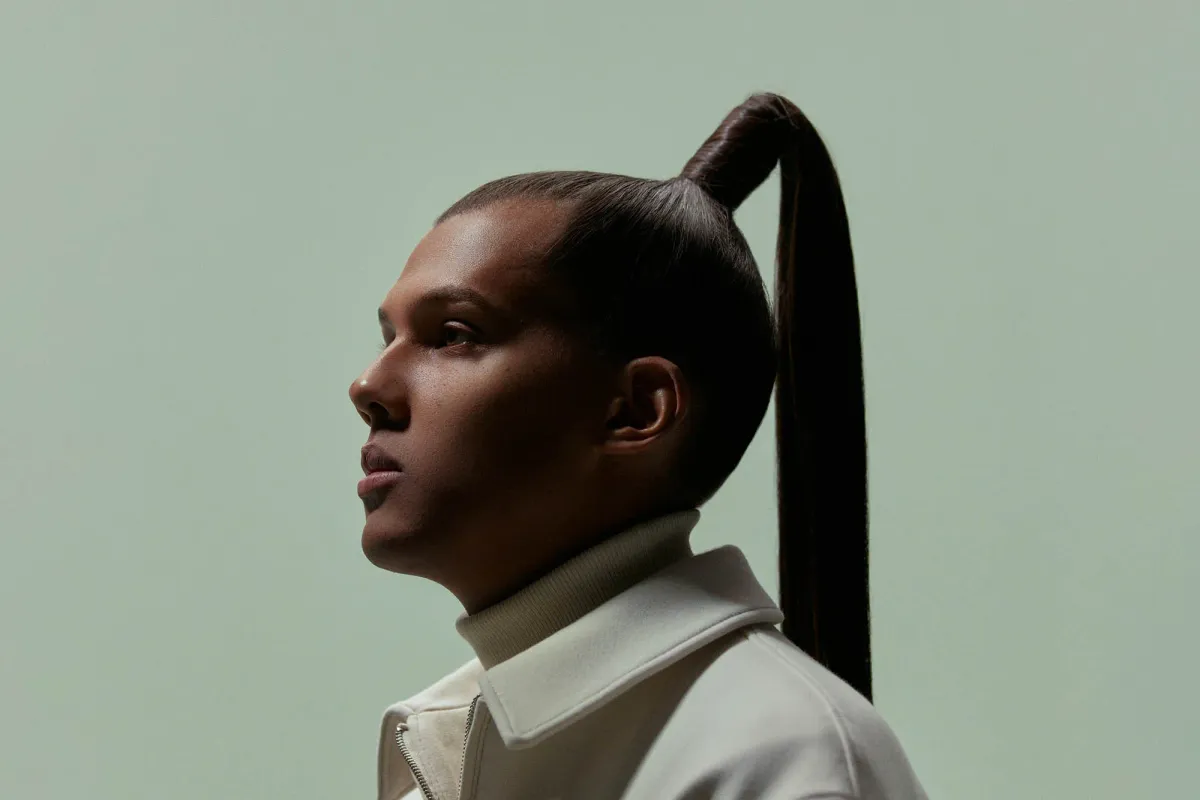
There are artists who make hits and then there are artists who make history.
Stromae belongs to the latter.
The Architect of Emotion
Born Paul Van Haver in Brussels, Stromae isn’t just a musician, he’s an architect of emotion.
His sound lives between worlds: the chaos of nightlife and the quiet ache of introspection. From the hypnotic pulse of “Alors on danse” to the intimate self-reflection of “L’Enfer,” his music doesn’t just fill rooms, it connects souls inside them.
Raised by a single mother after losing his Rwandan father in the 1994 genocide, Stromae’s early life was shaped by absence, culture, and contradiction. His art became his therapy, his rebellion, and his truth.
The name “Stromae” (a flipped version of “maestro”) was more than a pseudonym, it was a prophecy.
When the World Danced to Sadness
In 2009, Stromae made the world dance to despair.
His breakout hit “Alors on danse” sounded like a club anthem but spoke like a diary entry — an anthem for the overworked, the burnt-out, the lost. While bodies moved to the rhythm, minds quietly nodded in recognition.
Then came Racine Carrée (2013); his magnum opus.
With “Papaoutai,” he unpacked the pain of growing up fatherless. With “Formidable,” he became a broken man in public, blurring art and vulnerability in ways pop rarely dares. Every song carried duality, joy and sorrow, movement and stillness.
Disappearing to Survive
Then, suddenly; silence.
At the height of fame, Stromae vanished from the spotlight. The reason wasn’t artistic ego or creative burnout; it was survival. A severe reaction to anti-malarial medication left him with lasting physical and psychological effects. Fame became suffocating.
But in the quiet, he reinvented himself.
With his brother, he founded Mosaert, a creative label merging music, fashion, and storytelling, all built on independence and authenticity. It was Stromae’s way of saying: “I’ll create, but on my own terms.”
The Return of a Visionary
In 2022, Stromae returned with Multitude and it felt like the rebirth of a poet.
Tracks like “Santé” paid homage to the invisible workers who keep the world spinning, while “L’Enfer” openly confronted his struggle with depression and suicidal thoughts.
It wasn’t a comeback, it was catharsis.
Sonically, Multitude pushed boundaries, fusing African rhythms, Latin percussion, and Asian influences into a soundscape that felt universal yet deeply personal. Stromae wasn’t trying to chase trends, he was busy setting the standard.
Legacy Beyond Language
Stromae’s greatest triumph isn’t just his discography, it’s how he made the world listen to emotion in any language. In an industry where English dominates, he proved that humanity speaks louder than words.
His visuals are cinematic. His lyrics are intimate.
His art is rebellion, not loud, but lasting.
For Stromae, music isn’t just entertainment; it’s empathy.
He turns vulnerability into rhythm and pain into poetry.
The Maestro of Modern Humanity
In a world addicted to perfection, Stromae stands as a reminder that real strength lives in imperfection. He’s not a pop star, he’s a mirror. And through him, we see ourselves: confused, hopeful, resilient.
He once made the world dance to sadness.
Now, he makes it heal through honesty.
Final Thought
Stromae is more than a musician, he’s a movement.
He doesn’t follow the rhythm of the industry.
He teaches the industry to follow the rhythm of the human heart.